

15 Ways to Build a Stronger Bond with Your Dog for Life
By Elena Poznykhova, Pawsomely Healthy co-founder · Updated April 2026
Bonding with your dog doesn’t always happen overnight. In fact, it often takes time, patience, and intention. By learning your dog’s “love language,” finding ways to spend time with them doing things you both enjoy, and doing your best to keep them healthy and happy, you’ll build a bond that grows deeper over time. Here are 15 thoughtful ways to strengthen your relationship with your dog — for everyday life and for the years ahead. 8-minute read.
Why Bonding With Your Dog Takes Time
We’ve all heard the saying that “dogs are man’s best friend,” so we might assume that we’ll immediately and automatically bond with our dogs. However, that’s not always true. Just like any meaningful relationship, the bond between you and your dog is built through trust, consistency, communication, and care.
There isn’t just one magic way to do it, though. Every dog is different — and what feels comforting, fun, or rewarding to one dog may not be the same for another. The key is to pay attention to what your dog enjoys, respect their boundaries, and create positive moments together.
15 Ways to Build a Bond with Your Dog
In human relationships, psychologists have identified five “love languages.” The concept of "love languages" shows couples how to give each other love in ways that it is best received. Dogs, like people, have different preferences. Some bond through play, some through calm physical closeness, some through food, routine, training, or simply feeling safe near you. That’s why bonding is less about following one perfect formula and more about learning what makes your dog feel secure, happy, and understood.
1. Play Together
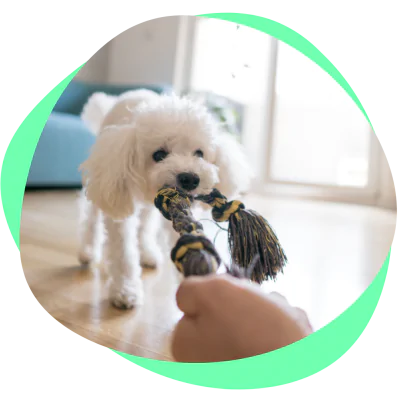
“Playing together” may seem like an obvious choice for human-pup bonding, but there’s actually more to it than that. Not every dog likes playing the same way, so learning your dog's playing style is important for bonding. Some dogs love a good game of never-ending fetch, while others like playing tag, and still others like playing in the water. Some may prefer tug, hide-and-seek, chase, or simply being silly with their person.
The real bonding comes from learning your dog’s individual play style. When you engage with them in a way they genuinely enjoy, play becomes more than exercise — it becomes communication.
On the other hand, trying to force your pup to play a game they clearly don’t enjoy will frustrate them and do nothing to strengthen your bond. Watch their body language, follow their lead, and make play something you both look forward to.
2. Pet Your Dog — If They Enjoy It
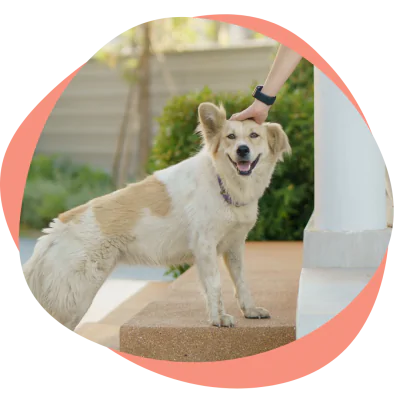
It’s no secret that many dogs enjoy being petted, and many humans love petting them. But the most important part is making sure your dog actually enjoys the kind of touch you’re offering.
There’s a scientific reason those quiet moments with your dog can feel so good. Positive interaction with dogs has been linked to increases in oxytocin, often called the “love hormone,” as well as lower stress responses, heart rate, and blood pressure in people. Studies show this effect is mutual, creating a positive feedback loop that raises oxytocin in both the person and the dog. In other words, gentle touch can be calming for both ends of the leash.
But petting should always be a conversation, not an assumption. Some dogs love chest rubs, some prefer shoulder scratches, and some would rather just sit near you without being touched for long periods.
Pay attention to your dog’s body language. When your dog seeks out touch, relaxes into it, or stays close by choice, those moments can help create a sense of closeness, comfort, and trust. Respecting your dog’s preferences is part of building the bond.
3. Teach Your Dog Simple Tricks
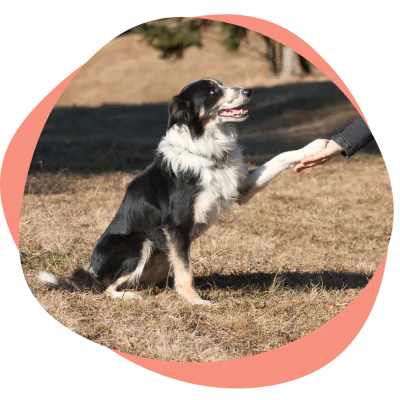
Teaching your dog tricks takes time, but that’s actually the point! Spending time together doing shared activities is one of the best ways to bond with your pup.
Not only are you spending time with your dog, but your dog will be looking at you for commands and signals while you’re teaching them. That eye contact and connection strengthen your bonds of trust. Training also gives you a clear way to communicate through positive reinforcement.
Training your dog to do tricks doesn’t have to be difficult. Our post on puppy training has a section on “Basic Commands to Teach Your Dog”. Simple cues like “sit,” “come,” “stay,” and “leave it” are not only useful — they can also help your dog feel more confident because they understand what you’re asking. Keep training short, positive, and rewarding — single-ingredient treats work especially well as training rewards because dogs go crazy for real, simple ingredients. The goal isn’t perfection. The goal is connection.
4. Take Walks Together
The simple act of walking together creates an element of trust between you and your dog. Spending time together in shared activities is the number one way to bond with your dog, and taking a walk is a great way to do that.
Besides, dog walking benefits both pups and their pup parents. Dogs that go for regular walks are happier, less destructive, and less likely to become obese. The pet parents taking those dogs on walks can see benefits such as better heart health, lower blood pressure and stress, and stronger muscles and bones.
For many dogs, a walk is not just physical exercise. It is mental enrichment, stress relief, and relationship-building all at once. Try to let some walks be more than just getting from point A to point B. Let your dog sniff, pause, and explore. Those moments matter to them.

5. Take Your Dog to Agility Training or Another Shared Activity
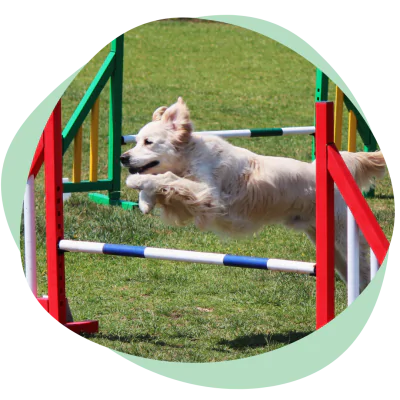
Agility training is a great way to bond with your dog and have fun together. Not only are you spending time with your pup, but they are also learning to follow your commands and stay focused on your cues in a distracting, fast-paced environment.
It’s important to know that, due to the speed and effort required, agility training carries a risk of injury if not done with care and caution. Always consider your dog’s age, structure, fitness level, and health history before starting high-impact activities.
Agility is not the only option. Scent work, rally, obedience classes, trick training, hiking, swimming, or even backyard obstacle games can all create shared experiences.
6. Feed Your Dog Nutritious Food in a Way That Supports Their Health
We all want to feed our dogs nutritious food that supports their health, but taking your pup’s taste and presentation preferences into consideration can actually help strengthen your bond.
For example, one pet parent shared a story about her dog, Zuzu. When Zuzu was a puppy, they fed her kibble. Even though they tried various kinds, she was never very excited about any of them. But then they switched to freeze-dried food, and everything changed. Zuzu started getting so excited about mealtime. Now, after she eats, she comes and finds her mom and puts her nose on her leg as if to say thank you.
We’ve also heard from a pet parent whose dog wouldn’t eat until his person “prepared” the food on the stove — pouring it into a pot and pretending to stir it, just like a human meal.
Food may not literally be love, but for many dogs, mealtime is one of the clearest ways they experience care. Choosing natural, single-ingredient treats is one small way to make every snack feel intentional. When we choose nourishing ingredients, pay attention to what works for their body, and make feeding feel positive, we show love in a way they understand.
7. Snuggle Together — If Your Dog Likes It
Snuggling on the couch with your dog on a cold winter’s night isn’t just cozy and comforting; it can also be a great way to bond with your pup.
To be clear, snuggling isn’t for every dog. While some dogs love getting hugs from their humans, others may run for the hills. If your dog resists snuggling, you shouldn't force them — it's not their love language! Giving them the choice to come close or move away helps them feel safe and respected.
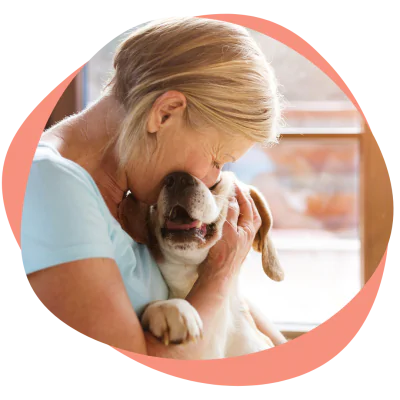
8. Let Your Dog Nibble on You
Have you ever been sitting on the couch watching TV when your dog started nibbling on you? As strange as it may sound, this is a bonding opportunity!
This behavior is called “cobbing” because your dog is nibbling gently on you like an ear of corn on the cob. If your dog does that, congratulations! They're showing you affection by grooming you.
As always, context matters. If the nibbling is gentle, relaxed, and welcome, it can be a sweet bonding moment. If it becomes too rough or overstimulating, calmly redirect your dog to a toy or another activity.
9. Groom Your Dog
This doesn’t mean bringing your dog to a professional groomer (though your dog may need that as well, depending on their breed or coat). No, this is about spending time brushing your dog yourself. Not only does regular brushing and grooming keep your dog’s coat shiny and mat-free, but it can also be a valuable bonding experience.
Brushing can also give you a chance to slow down, check in with your dog, and notice changes in their skin, coat, or body.
Of course, if your dog revolts at the mere touch of a brush, it may be a good idea to leave it to the professionals. But for dogs that enjoy that regular brush down, it’s a pup-healthy habit that will draw you and your dog closer together.

10. Give Them Their Space
Have you ever needed some time alone? During that time, would you have appreciated it if someone forced their way into your space and made you interact with them?
Dogs aren’t people, of course, but that doesn’t mean they don’t need alone time too. Especially if your pup suffers from anxiety, your pup may need a space or corner to call their own where they can feel safe and have some time alone if they want it.
By respecting your pup’s “personal space” and not forcing them to be with you if they clearly want some time apart, you’ll help them feel safe and secure and more bonded to you in the long run.
Bonding is not only about closeness. It is also about respect. Respecting your dog’s space teaches them that they can trust you, which is especially important for anxious dogs, rescue dogs, senior dogs, or any dog who is still learning to feel safe.

11. Don't Encourage Anxious Behavior — Support Your Dog Through Anxiety
Has your dog ever gotten upset when you’ve had to leave the house? While it might feel good to be so badly missed, encouraging this kind of behavior actually tears at your bond.
That’s because encouragement will actually increase the anxious behavior as time goes on and can cause serious mental health problems for your dog. A recent survey of 600 pet parents examined the prevalence of dog anxiety and its impact on families. They found that more than 60% of families with dogs suffering from separation anxiety had had to cancel travel plans because of their pup’s anxiety.
Dogs with separation-related stress need support, structure, and sometimes professional help. Comforting your dog is not wrong, but accidentally reinforcing panic can make the problem harder over time. A calmer, more secure dog is better able to trust, relax, and bond. If anxiety is affecting your dog’s daily life, speak with a qualified behavior professional.
12. Establish a Routine
Dogs thrive on routine. While not everyone has a set schedule, the more consistent you are with your dog’s schedule, the better.
This means doing your best to keep your pup's meal times, bedtimes, and even potty breaks consistent when possible. Consistency in their schedule helps pups feel secure and increases their trust in you.
That doesn’t mean every day has to be perfectly scheduled. But regular patterns around meals, walks, potty breaks, rest, training, and bedtime can help your dog feel safe. When your dog learns that you are predictable and reliable, your bond becomes stronger.
13. Sleep Together or Let Your Dog Sleep Near You
Sleeping with your pup is not only a nice way to keep warm on a cold winter night but also increases your bond with your pup.
If sharing your bed works for you and your dog, it can be a sweet way to feel connected. If it doesn’t, a cozy bed nearby can still offer closeness and routine.

14. Be Present During Vulnerable Moments
Dogs often follow us into the bathroom, watch over us, or stay close during moments when we are still or vulnerable. While it may feel funny or inconvenient, this behavior can be one way your dog stays connected to you.
You may notice something similar when your dog is outside going potty. Many dogs look to their person for reassurance during that moment, especially in unfamiliar places or busy environments.
Standing calmly nearby, giving them space, and keeping an eye on the environment can help your dog feel protected and secure. It may seem small, but to your dog, those quiet moments of safety can matter.
15. Take Care of Their Health
Last but certainly not least, we can bond with our dogs and show our love by taking care of their health. We only have our dogs with us for a decade or so, longer if we are lucky. So we need to make sure every year counts.
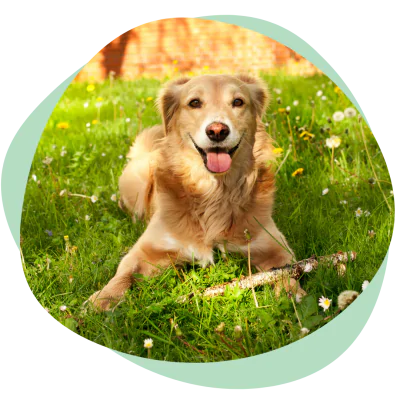
This includes regular veterinary care, appropriate exercise, weight management, dental care, grooming, mental enrichment, and a nutritious diet.
For some dogs, supplements may also provide additional nutritional support depending on their age, diet, lifestyle, or specific needs. A high-quality Omega-3 supplement for dogs is one of the most well-researched options for supporting skin, coat, joint, and heart health.
FAQ About Bonding with Your Dog
How long does it take to bond with a dog? It depends on the dog. Some dogs bond quickly within days or weeks, while others — especially rescue dogs, shy dogs, or dogs who've had difficult experiences — may take several months. The key is consistency, patience, and letting the dog set the pace. Small positive moments every day add up over time.
How do I know if my dog is bonded to me? Signs your dog is bonded to you include: seeking you out for comfort, making eye contact with you, following you from room to room, relaxing fully in your presence, greeting you enthusiastically after time apart, and checking in with you during walks or new situations. A bonded dog trusts you and looks to you as a source of safety.
Is it harder to bond with a rescue dog? Not necessarily harder — just different. Rescue dogs may need more time to feel safe before they open up. Giving them a predictable routine, respecting their space, and letting them approach you on their own terms goes a long way. Many rescue dog owners find that the bond they eventually build feels especially deep and meaningful.
Can you bond with an older or adult dog? Absolutely. Dogs of any age can form strong bonds with new people. Adult dogs may actually be easier to bond with in some ways — they're often calmer and more settled than puppies, and they respond well to routine, gentle handling, and positive reinforcement.
What are the best activities to bond with your dog? The best activities are the ones your dog genuinely enjoys. For many dogs, that's walks, play, and training sessions. For others, it's a calm time together, grooming, or simply being near you. Paying attention to your dog's individual personality and preferences is the most important bonding tool you have.
Final Thoughts on Bonding With Your Dog
Our dogs may love us at first sight, but true bonding takes time and effort. Just like in human relationships, the time we invest in our canine relationships can reap wonderful rewards.
A strong bond with your dog is built in everyday moments — the walks, the play, the quiet routines, the training sessions, the meals, the care, and the respect you show them over time. Your dog doesn’t need perfection from you. They need consistency, kindness, patience, and a person who pays attention to who they are.
When you learn your dog’s preferences, support their health, and make time for connection in ways they truly enjoy, you create the kind of bond that lasts a lifetime.